 709
709
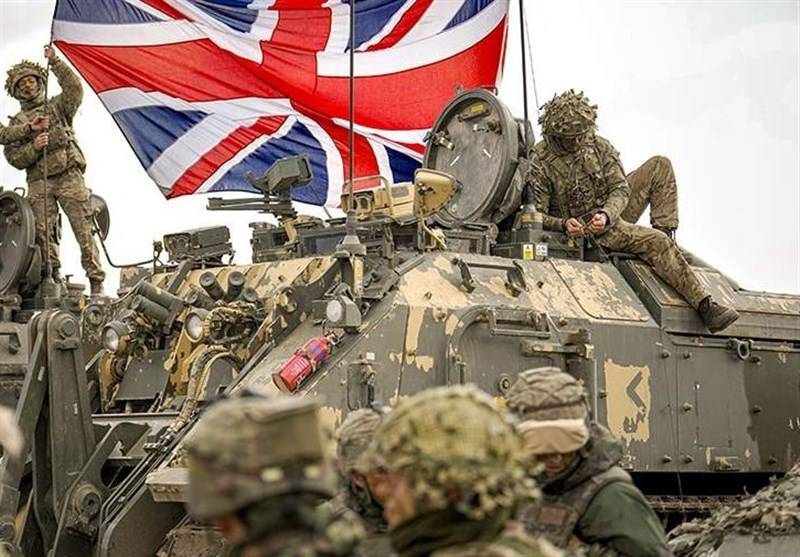
Since the start of the Russia–Ukraine war, the United Kingdom has gone all-in on backing Kyiv. London has consistently positioned itself as one of the leading providers of financial, military, and logistical support, and the long history of rivalry between Britain and Russia is clearly reflected in this posture.
In its latest move, Buckingham Palace and the Starmer government have approved a nearly 2.7-billion-dollar loan to Ukraine. Contrary to early claims that the funds might be used for non-military purposes, the loan is now fully earmarked for battlefield needs and ammunition. The money will be drawn from the profits of Russia’s frozen assets held in the UK — a decision that carries serious political and economic risks for all parties involved, including Britain itself.
London argues that any aid must focus on strengthening Ukraine’s military rather than its infrastructure. Their logic is simple: rebuilding is meaningless as long as Ukraine’s skies are unsafe. But this approach reveals a deeper reality that rarely gets attention in mainstream coverage: **the economics of war**. Supplying weapons, logistics, and support is extremely costly, and the countries footing the bill often see their own defense industries revived as a result. For a Britain struggling with a stagnant economy, this war has become an opportunity to boost its military-industrial complex.
The loan achieves several goals at once. Ukraine receives weapons, while British defense manufacturers secure lucrative contracts funded by the very loan London extended to Kyiv. Politically, the Starmer government also benefits, as public dissatisfaction inside the UK continues to mount and officials search for ways to claim economic revival.
Another motive behind Britain’s push is the desire to keep Russia bogged down in a draining war, weakening a long-standing rival in Europe. But this strategy is risky. Increased British support could provoke harsher Russian responses at a moment when discussions of ceasefire and peace have gained momentum. By arming Ukraine now, London hopes Kyiv will enter negotiations with fewer concessions — a goal that seems unrealistic given the legal and logistical complexities surrounding the loan.
Much of this move is therefore symbolic: a way for the UK to present itself as a steadfast strategic partner globally, even if the outcome does little to alter the battlefield. London wants to project reliability and international prestige, even at the cost of extending a war that is inching toward a possible settlement.
Beyond military and political aims, Britain also seeks leverage over the incoming Trump administration. By risking the payout of profits from Russia’s frozen assets — a move that could undermine investor confidence in the UK — London hopes to gain bargaining chips in future economic negotiations with Washington.
In the end, the UK’s loan to Ukraine serves Britain’s long-term ambitions far more than Ukraine’s immediate war needs. The strategy is high-risk, but London believes that even failure will not be overly costly. Whether this gamble pays off is something only time will reveal.
Translated by Ashraf Hemmati from the original Persian article written by Amin Mahdavi
[1] Financial Assistance to Ukraine Bill - Hansard - UK Parliament
[1] UK to move with EU on Russian frozen assets, Starmer says | Reuters

Comment
Post a comment for this article