 810
810
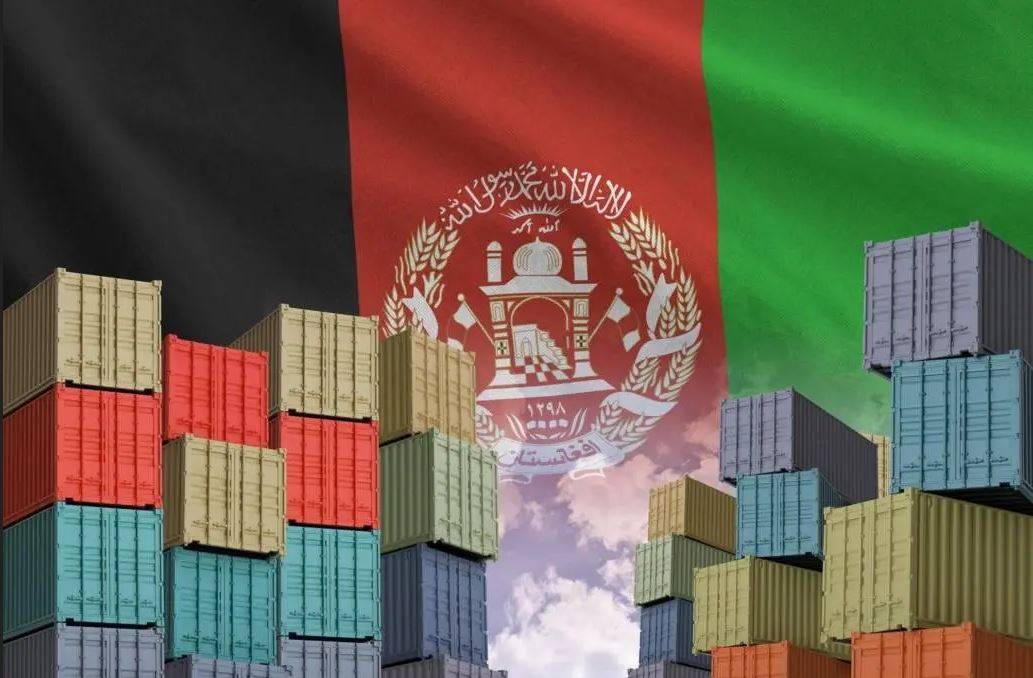
Iran and Afghanistan’s trade relations have entered a new phase, especially after the political transition in Afghanistan and the deterioration of Kabul’s ties with Pakistan. Despite the obstacles, the relationship between the two neighbors has been dynamic and growing, with an accelerated pace over the past year as multiple trade and economic delegations visited both capitals and border provinces.
Most recently, a high-level delegation from Iran’s Chamber of Commerce, composed of private-sector traders, traveled to Kabul. In a joint session between the chambers of commerce of both countries, Iranian and Afghan officials stressed the need to expand cooperation in trade, transit, mining, agriculture and energy, signing several important agreements aimed at building investment and boosting bilateral exchanges.
Simultaneously, another senior economic delegation led by Seyed Mohammad Atabak, Iran’s Minister of Industry, Mining and Trade, arrived in Kabul to address transit bottlenecks and strengthen commercial ties. During this visit, multiple agreements were signed, including an accord to increase trade volume, a 100 million–dollar energy contract, and a 40 million–dollar agreement for an Iranian company to build a 100-megawatt solar power plant. Given Afghanistan’s rising electricity needs, these deals are vital.
In the mining sector, Iran proposed establishing a joint mineral processing center at the border and called for creating a bilateral mining committee. Both sides agreed on securing stable electricity supplies for mining operations. Mining remains one of Afghanistan’s richest but least-developed assets. With Iran’s extensive capabilities in mining and Afghanistan’s untapped reserves, the two countries can forge highly profitable cooperation.
In agriculture, Iran described “contract farming” as the best strategy for achieving trade balance. Under this proposal, Afghanistan would provide land, while Iran supplies seeds, inputs and technology. Priority crops include sugar beet, oilseeds, legumes, cotton, livestock and meat. Given Afghanistan’s abundant water resources and Iran’s recurring droughts in several regions, this plan could be mutually beneficial.
In healthcare, Iran proposed establishing joint hospitals, pharmaceutical production lines and medical equipment manufacturing facilities in Afghanistan, while also urging faster registration of Iranian medicines. The Taliban’s Ministry of Health welcomed these proposals, declaring Afghanistan’s market open for structured Iranian investment. Iran’s advanced healthcare system, strong infrastructure and capable workforce position it well to support Afghanistan’s needs.
Bilateral trade volume has grown in recent years, now exceeding 2 billion dollars annually. Both sides aim to reach 5 billion dollars in the coming years. Iran is Afghanistan’s main supplier of essential goods, fuel and construction materials. Iranian exports include petroleum products, electricity, natural gas, food staples, vegetable oil, sugar, rice, cement, steel, pipes, vehicles, carpets, home appliances and hygiene products. Afghanistan exports agricultural goods, fresh and dried fruits, nuts, coal, spices, hides and medicinal herbs to Iran.
As a landlocked country, Afghanistan has long sought reliable routes to open waters and global markets. Its decades-long reliance on Pakistan’s transit routes, especially the port of Karachi, has been fraught with political tensions, trade restrictions and border disruptions that repeatedly crippled Afghan foreign trade. This vulnerability made finding alternative routes a strategic necessity.
The recent signing of a 90-million-dollar contract between the Afghan private sector and an Iranian shipping company marks a turning point. It aligns with Afghanistan’s growing use of Iran’s transit capacity, especially the port of Chabahar, which for years was viewed as a potential gateway to the Indian Ocean for Afghanistan and Central Asia. This transition is now becoming operational reality.
Iran’s unique geopolitical position has turned it into a major access route for Kabul’s integration into the global economy. Taliban officials believe that expanding Afghanistan’s use of Chabahar, along with regular shipping services jointly facilitated by Iran and India, will provide more reliable and cost-effective pathways for Afghan trade. Economists also consider these agreements critical for boosting export infrastructure and stabilizing Afghanistan’s fragile economic chains.
Challenges
Still, the expanding relationship faces obstacles. One key challenge is the imbalance between imports and exports. In recent years, Iran’s exports to Afghanistan have been several times larger than its imports from the country, disrupting trade equilibrium. Experts say long-term economic stability requires a more balanced trade structure.
Afghanistan has strong agricultural and livestock capacities that Iran could benefit from. However, regulatory and customs barriers, especially excessive health and import restrictions, often block legitimate Afghan goods from entering Iran. Much of the potential trade never materializes. Experts and business leaders argue that Iran should streamline regulations while maintaining oversight, to allow secure and lawful imports.
Banking restrictions and sanctions pose the most serious challenge. Due to Iran’s international sanctions and the Taliban government’s lack of global recognition, formal banking channels do not operate between the two countries. This makes financial transfers extremely difficult. As a workaround, both sides rely on barter arrangements, third-country currencies such as the Emirati dirham or Chinese yuan, and traditional hawala systems.
Politically, the absence of formal recognition of the Taliban complicates the signing of long-term agreements. Afghanistan’s economic crisis, cash shortages and severe financial instability further limit its ability to import goods.
Water disputes, particularly over the Helmand River, represent another major political and economic pressure point, as access to water is essential for cross-border agriculture.
Roadmap for Expanding Relations
1.Accelerating joint projects, especially completing and operationalizing all phases of the Khaf–Herat railway, which would dramatically increase trade capacity.
2. Improving payment and financial exchange mechanisms, resolving account-blocking issues, and developing professional financial solutions to provide a stable foundation for long-term economic ties.
3. Removing obstacles at border crossings, reducing delays, and expanding infrastructure in the Dogharoon Free Zone to support joint production and wider regional and global exports.
4.Enhancing agricultural cooperation through contract farming and joint processing. With Afghanistan’s abundant water reserves, Iran can source agricultural inputs, process them and export the final products internationally.
Ultimately, despite the challenges, Iran and Afghanistan continue to deepen economic cooperation. Their shared borders, interconnected needs and complementary economies give both countries strong incentives to expand relations in pursuit of mutual benefit.
Translated by Ashraf Hemmati from the original Persian article written by Mohammad Saleh Ghorbani
[1] https://www.yjc.ir/00bscw
[1] https://shrr.ir/001ZcR
[1] https://iraf.ir/?p=96041
[1] https://shrr.ir/001ZcR
[1] tahlilbazaar.com/x5dLq
[1] https://www.yjc.ir/00bscw
[1] https://shrr.ir/001ZcR
[1] https://ecoiran.com/fa/tiny/news-112079

Comment
Post a comment for this article