 22
22
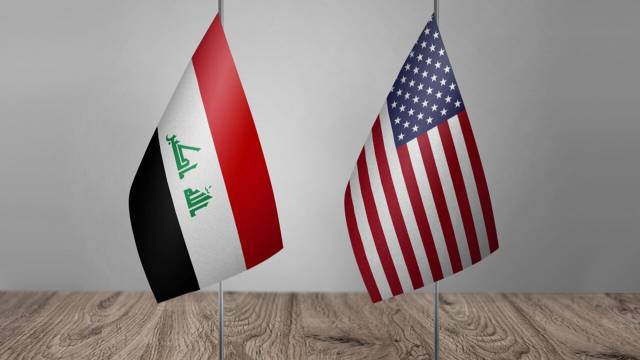
In the aftermath of Iraq’s parliamentary elections—elections marked by an unprecedented level of public participation—foreign actors once again moved quickly to reassert their influence over Iraq’s internal political trajectory. Diplomatic pressure, political signaling, and external maneuvering resurfaced with familiar intensity, as if the ballot boxes in Baghdad still required approval stamps from abroad.
The United States has made its position unmistakably clear: individuals perceived as close to the Axis of Resistance are not acceptable choices for executive authority in Iraq. Other regional players have their own preferences regarding who should occupy the prime minister’s office. Among the leading candidates in this round is Nouri al-Maliki, a figure known for his explicit positions on both domestic governance and foreign policy orientation. His potential return has triggered visible unease in Washington.
Direct Intervention in Iraq’s Political Engineering
American officials have openly spoken of using “all available tools” to influence outcomes in Iraq. This language goes beyond conventional diplomacy; it reflects a deliberate effort to shape coalition arrangements and restrict political options deemed unfavorable in Baghdad.
The Trump administration has publicly defined its red lines: any figure maintaining a positive posture toward Iran is effectively placed on Washington’s blacklist. Iraq’s emerging democratic process now faces a serious test, as the selection of a prime minister risks becoming less about parliamentary legitimacy and more about international acceptability.
Conditioning Iraqi Sovereignty on Compliance with Washington
Political pressure is reinforced by structural leverage. Iraq’s financial exposure to U.S.-controlled systems creates vulnerabilities that can be activated when Baghdad’s policies diverge from American interests. On multiple occasions, Iraqi governments have found themselves in financial bottlenecks that could only be eased through U.S. approval.
This dynamic transforms sovereignty into a conditional arrangement. The underlying message is unmistakable: policy independence carries economic costs.
Targeting al-Maliki’s Political Line and Warning Iraqi Parties
Opposition to al-Maliki is not personal—it is ideological. His political orientation, viewed as resistant to U.S. influence and comparatively closer to Iran, places him squarely within Washington’s zone of concern. Official warnings against empowering such figures have been directed not only at individuals but at Iraqi political parties as a whole.
The implication is clear: crossing American red lines may trigger political and economic consequences. Iraqi parties are thus subtly pressured to produce “neutral” leadership figures—individuals who pose no challenge to Western influence and can comfortably operate within Washington’s expectations.
Psychological and Media Pressure
This pressure campaign is amplified through media narratives. International outlets frequently highlight the claim that the rise of anti-American political figures would plunge Iraq back into instability. This messaging influences both public perception and the calculations of political elites.
Framed as a concern for stability, the discourse effectively narrows the range of acceptable political choices for Iraqis.
Conclusion
Iraq’s political groups—diverse and numerous—stand at a critical crossroads. Their internal political arrangements must be guided by Iraqi national interests, not by the preferences of external powers.
Given the electoral weight of Shiite political blocs, the next prime minister will likely emerge from within these ranks. As this reality draws closer, American pressure is expected to intensify. Iraq may face increasing external strain, and if public vigilance weakens, internal tensions could follow.
The real test for Iraq is no longer simply electoral. It is sovereign.
Will Iraq’s leadership be determined by ballots cast in Baghdad—?
Or by boundaries drawn in Washington?
Translated by Ashraf Hemmati from the original Persian article written by Amirali Yeganeh

Comment
Post a comment for this article