 494
494
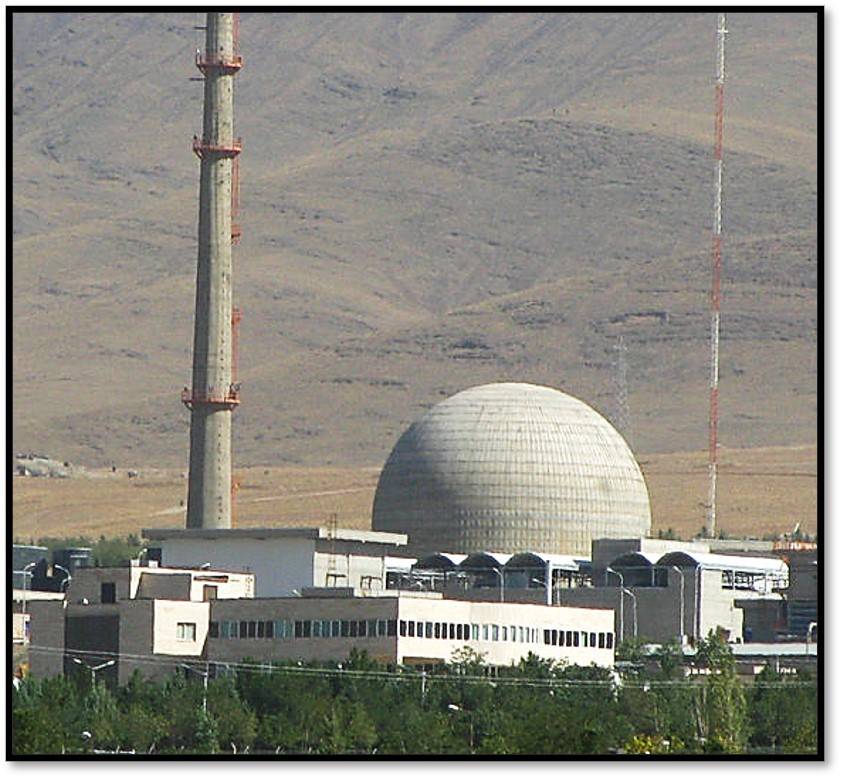
In the past few days, with the release of the IAEA’s new report on Iran, the issue of inspectors visiting Iran’s bombed nuclear sites has once again set global media on fire. Rafael Grossi, the IAEA director who has repeatedly fueled Western political agendas with misleading reports, pushed another claim about Iran’s lack of cooperation. Following his briefing to the Board of Governors, a resolution against Iran was passed under the direction of the United States and its European allies.
Limited Inspector Access and an Admission: Iran’s Case Is No Longer on the Board’s Agenda
Grossi admitted that inspectors have returned to Iran, and under Resolution 2231, Iran’s nuclear file is no longer on the Board of Governors’ agenda. Iran’s strategy has been clear: allow inspections only at undamaged facilities, dismiss the idea of inspecting demolished sites as irrational, and place the IAEA in a forced binary choice between limited cooperation or none at all.
With the expiration of Resolution 2231, removing the nuclear issue from the Board’s agenda also complicates Western attempts to impose legal pressure on Tehran.
The End of Extra Access after an NPT Exit
Iran has argued that if Western symbolic pressure escalates into full-scale pressure, it will activate an NPT withdrawal. Western governments know perfectly well that if Iran leaves the treaty, they lose their biggest leverage: inspection access. The IAEA’s eyes would go blind, and intelligence agencies would lose visibility into Iran’s nuclear program.
The real fear for the West isn’t the damaged sites—they want precise data on Iran’s stockpile of enriched material. Several hundred kilograms of enriched uranium remain their nightmare scenario.
Grossi’s Unending Demands to Inspect Destroyed Sites
Grossi keeps insisting on accessing Iran’s damaged facilities, despite the fact that the IAEA has **no protocol** for inspecting destroyed nuclear sites. This insistence raises serious questions among international security experts: what exactly is he after?
Iran has repeatedly rejected these illegitimate demands, especially after Western countries triggered the “snapback mechanism,” which only complicated the file further and neutralized their own leverage.
Western countries need to understand that the solution lies in Vienna, not Tehran.
The Contradiction in Demanding Iran's Commitment to the NPT
Grossi demands that Iran adhere to the NPT while conveniently ignoring the responsibility of states that have attacked Iran’s nuclear facilities. The IAEA is legally obligated to protect the nuclear sites of its member states, yet took no action after the attacks on Iran’s facilities. This has prompted many members to ask a basic question: what is the point of belonging to an organization that offers no protection?
Final Assessment
Iran’s strategy toward the IAEA has been meticulously calculated. Tehran has permitted inspections at standard nuclear sites while firmly restricting access to damaged locations. Iran keeps the door open for dialogue but only within the boundaries of logic and sovereignty.
This balanced yet assertive approach has effectively curbed Grossi’s overreach and the broader ambitions of the agency’s political patrons.
Translated by Ashraf Hemmati from the original Persian article written by Amir Ali Yeganeh

Comment
Post a comment for this article